
Creator Rate Calc Guide
Creator Rate Calc
Creator Rate Calc turns your own numbers into a quote range for a brand deal. Enter your average views and the CPM you want to work from, or price a UGC package video by video, and the tools do the arithmetic. Every rate input is your assumption: we publish no market averages.

Calculators

- Sponsorship Rate Calculator
Turn your average views and CPM into a quote range for a brand deal, with usage rights and exclusivity. - UGC Rate Calculator
Price a UGC package: videos, hook variations, raw footage and paid usage months.
How the two calculators differ
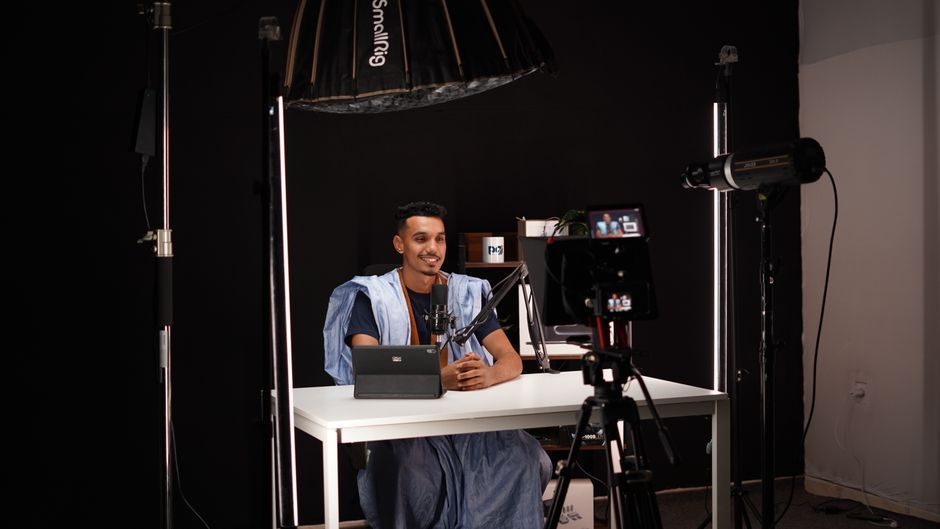
Use the sponsorship rate calculator when a brand pays you to post on your own channel. The price is built from views, not followers: average views per post multiplied by the CPM you want to charge, divided by 1,000, plus whatever the extra deliverables are worth.
Use the UGC rate calculator when you are producing content a brand will run on their channels. Your audience size is irrelevant there — you are being paid for production and for usage rights, so the price is a package: a base rate per finished video, plus hook variations, raw footage and however many months the brand may run it.
Creators routinely undercharge by applying influencer logic to UGC work, or by quoting a follower-based rate when the brand is actually buying ad usage.
Why views beat followers as a price basis
A follower count says how many people once chose to subscribe. Views say how many actually saw the last thing you made. On platforms that push content to non-followers, the two can differ by an order of magnitude in either direction, which is why a brand comparing creators on followers alone usually pays the wrong price.
Pricing on views also protects you when reach changes. If your average view count doubles, your rate follows it; if a platform change cuts reach, you have a defensible basis for holding or adjusting the figure rather than arguing from a number that has not moved.
Take the average of your recent posts on the platform in question rather than your best-performing one. A rate built on an outlier is hard to defend when the brand checks the next few posts.
What usage rights actually cost you

Usage is the part most often given away. Handing a brand the right to run your video as a paid ad, for a year, across every market, is worth far more than the shoot itself — and once it is running you cannot easily price it again.
Price usage by duration and breadth: how many months, which platforms, organic or paid, and whether exclusivity stops you working with competitors for that period. Exclusivity is a real cost because it removes future income, so it belongs in the quote rather than being thrown in.
Both calculators keep usage as a separate line so you can see what the brand is buying, and so a request to extend it comes with a price attached instead of being absorbed.
Using the number in a negotiation

Quote the package, not an hourly rate. A brand comparing quotes wants to see what it gets — videos, variations, raw files, usage window — and a single figure against that is easier to accept than a rate card that invites line-by-line haggling.
Send the rate before you are asked for it where you can. Responding to "what's your rate?" with a considered package puts you ahead of a negotiation that starts from the brand's budget rather than your pricing.
Every figure these tools produce comes from assumptions you enter. They are a way to price your own work consistently, not market data, and no number here reflects what any particular brand has paid.
Why trust these numbers

There are no market-rate statistics on this site, and that is deliberate. Creator and UGC pricing varies by niche, audience country, engagement, deliverable and the brand's budget, and the "average rates" circulated online are mostly recycled between calculator pages with no dated survey behind them. Quoting them would give you a number that looks authoritative and means nothing.
So every rate input here is labelled "your assumption" and starts from an illustrative placeholder you are expected to overwrite. What the calculators contribute is the arithmetic: views × CPM ÷ 1,000, multiplied out across deliverables, usage rights and exclusivity, with each line itemised so you can see where the total came from. That arithmetic is covered by automated tests against worked examples before any change is published. Outputs are estimates built from your inputs, not financial advice. If something is wrong, the contact page reaches us.
What you can work out here
Each calculator here takes your own channel numbers and turns them into a figure you can use in a real negotiation.
- Sponsorship Rate Calculator
- A sponsorship rate is usually built from views, not followers: take your average views per post, multiply by the CPM you want to charge, divide by 1,000, then add for extra deliverables, paid usage rights and exclusivity.
- UGC Rate Calculator
- UGC rates are built from a package, not a follower count: a base price per finished video, plus extra hook variations, raw footage and however many months the brand may run the content as paid ads.
Common questions
What are the expected UGC rates in 2026?
We do not publish an expected rate, because no dated public survey supports one and the figures circulating on rate-calculator sites are recycled from each other. More in Sponsorship Rate Calculator.
How much should I get paid for UGC?
Enough to cover your time, your equipment and the rights the brand is buying, which is a number only you can set. More in Sponsorship Rate Calculator.
How much does an UGC cost?
It depends entirely on scope, and anyone quoting a single industry figure is guessing. More in Sponsorship Rate Calculator.
How to charge for UGC content?
Charge per package, itemised. More in Sponsorship Rate Calculator.
How many views do you need on YouTube to make $5000 a month?
That depends on the CPM you charge, so run it backwards: monthly target ÷ CPM × 1,000. At a $20 CPM assumption, $5,000 needs 250,000 sponsored views a month, which could be one video at 250,000 views or four at 62,500. More in Sponsorship Rate Calculator.
How much do sponsors pay for 100K views?
There is no published answer, because the price is whatever CPM you and the brand agree. The arithmetic is 100,000 ÷ 1,000 × CPM: $2,000 at a $20 CPM assumption, $4,000 at $40. More in Sponsorship Rate Calculator.